
Table of Contents
The evolution of sports architecture has driven the demand for lighter, more efficient, and visually striking construction solutions. In this context, PVC Roof technology has emerged as one of the most advanced systems for stadium covers and large-span venues.
Its structural efficiency, durability, and architectural flexibility make it an ideal solution for modern sports facilities that must balance performance, aesthetics, and long-term operational value.
Through the use of engineered membranes and tensile systems, PVC structures enable architects and developers to create iconic stadium roofs that enhance spectator experience while meeting strict engineering and safety standards.
What Is a PVC Roof and How Does It Work in Stadium Covers?
A PVC Roof is a tensile roofing system composed of polyester fabric coated with polyvinyl chloride (PVC). These membranes are designed to work primarily in tension, allowing them to span large distances with minimal structural weight. This makes them particularly suitable for stadiums, where wide, column-free areas are essential for visibility and crowd flow.
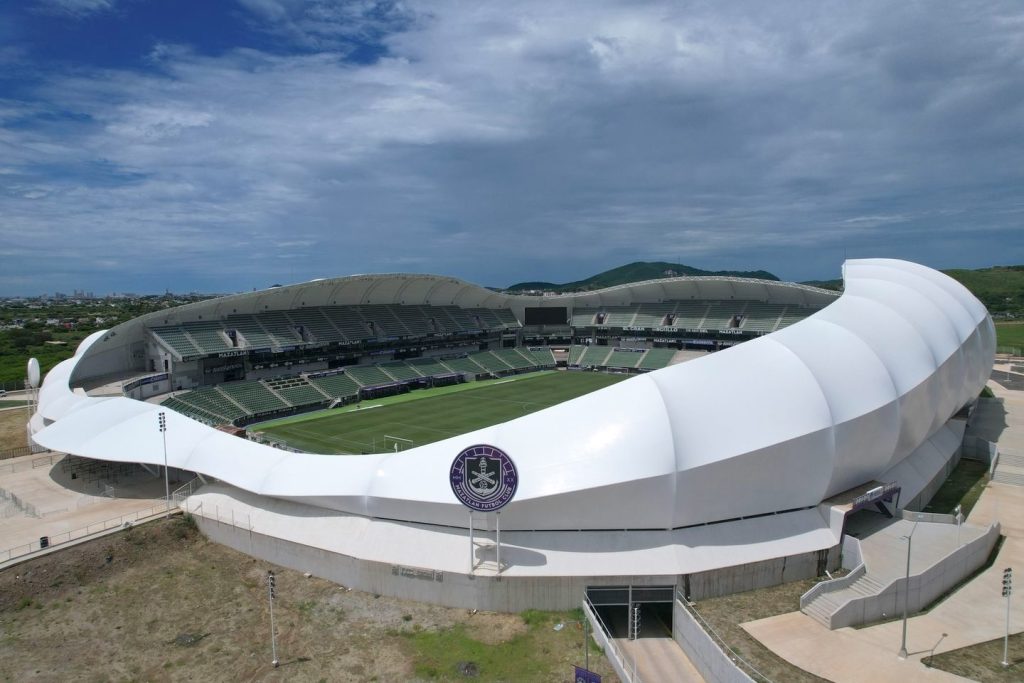
In stadium applications, PVC roofs are typically combined with steel frameworks, cable systems, or compression rings that distribute loads efficiently. The result is a lightweight, durable roof structure capable of withstanding wind, rain, and UV exposure while maintaining architectural elegance.
The Role of PVC Structures in Modern Sports Architecture
PVC structures have become a defining element in contemporary stadium design. Unlike rigid roofing systems, tensile PVC solutions offer a high degree of formal freedom, enabling fluid shapes, dynamic profiles, and customized geometries that reinforce a venue’s identity.
In sports architecture, PVC structures are used not only for full stadium covers but also for partial roofs, grandstand canopies, façade elements, and shaded circulation areas. Their adaptability makes the PVC Roof an effective solution for both new construction and stadium renovation projects.

Key Benefits of PVC Roof Systems for Stadiums
Implementing a PVC Roof in a stadium project delivers multiple technical and operational advantages:
- Lightweight construction, reducing demands on foundations and primary structures
- High resistance to weather and UV radiation, ensuring long-term performance
- Fast installation times, minimizing construction schedules
- Cost efficiency over the lifecycle of the building
- Natural light diffusion, improving user comfort, and reducing energy consumption
These benefits position PVC Roof technology as a strategic choice for owners and developers seeking performance-driven solutions.

Common Applications of PVC Technology in Sports Venues
PVC Roof systems are not limited to football stadiums. Their versatility allows them to be used across a wide range of sports and entertainment facilities, including:
- Multi-purpose stadiums
- Indoor and semi-covered sports arenas
- Olympic and high-performance training centers
- Grandstand and VIP seating covers
- Temporary or semi-permanent event structures
Thanks to the flexibility of PVC structures, each solution can be tailored to specific requirements related to capacity, acoustics, climate, and visibility.

The Importance of Specialized Engineering in PVC Structures
The success of a project depends not only on the material itself but also on the expertise behind its design and execution. Each structure requires advanced structural analysis, wind and load testing, and compliance with international building codes.
Specialized firms such as Dunn LWA provide integrated services that cover conceptual design, engineering, fabrication, and installation. Our approach ensures that PVC structures meet the highest standards of safety, durability, and architectural quality.
FAQs | PVC Roof and PVC Structures
What is the typical lifespan of a PVC Roof in a stadium?
A properly designed and installed PVC Roof can last between 20 and 30 years, depending on membrane quality, environmental conditions, and maintenance practices.
Are PVC structures safe in extreme weather conditions?
Yes. PVC structures are engineered to comply with strict international standards for wind, rain, and, where applicable, snow loads.
Do PVC Roof systems allow natural light?
Many PVC membranes are designed to diffuse natural daylight, improving interior comfort while minimizing glare and reducing reliance on artificial lighting.
Can an existing stadium be retrofitted with a PVC Roof?
Yes. Due to their lightweight nature, PVC Roof systems are particularly well-suited for stadium renovations and structural upgrades.
Why work with a specialized PVC structure provider?
PVC projects require advanced expertise in tensile architecture, structural engineering, and large-scale fabrication to ensure safety, performance, and long-term value.
 Spanish
  English