
Table of Contents
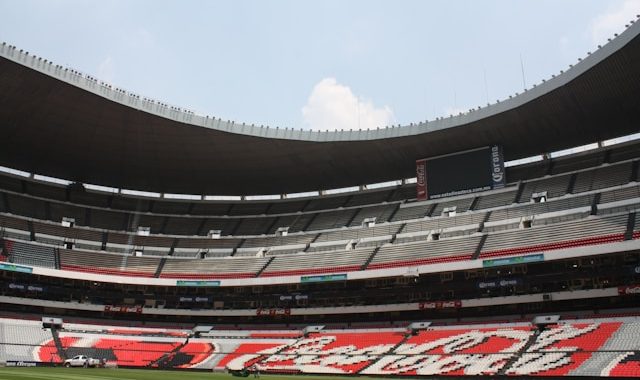
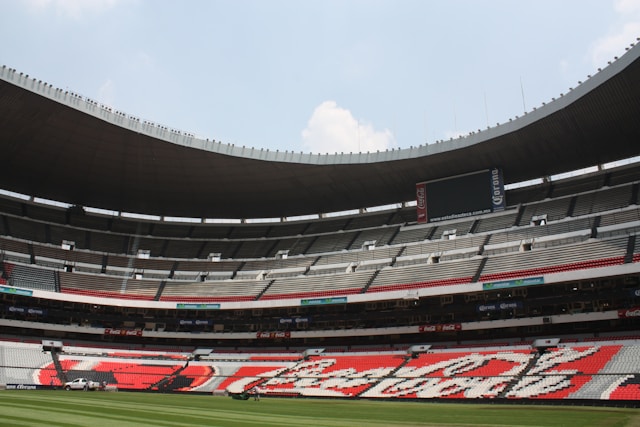
Nestled in the heart of Mexico City, Azteca Stadium or Banorte Stadium stands as a testament to sports history and architectural innovation. With its colossal structure and rich legacy, it has hosted countless unforgettable moments in football, making it an iconic landmark for fans around the globe.
As we approach the World Cup 2026, exciting renovations are underway that promise to breathe new life into this legendary venue. However, it’s not just about sprucing up the old; modern solutions, such as innovative roofing systems, are poised to redefine what stadiums can offer.
Join us as we explore the fascinating journey of Azteca Stadium—from its storied past to its bright future—and discover how advancements in design will elevate fan experiences like never before.
Where is the Azteca Stadium?
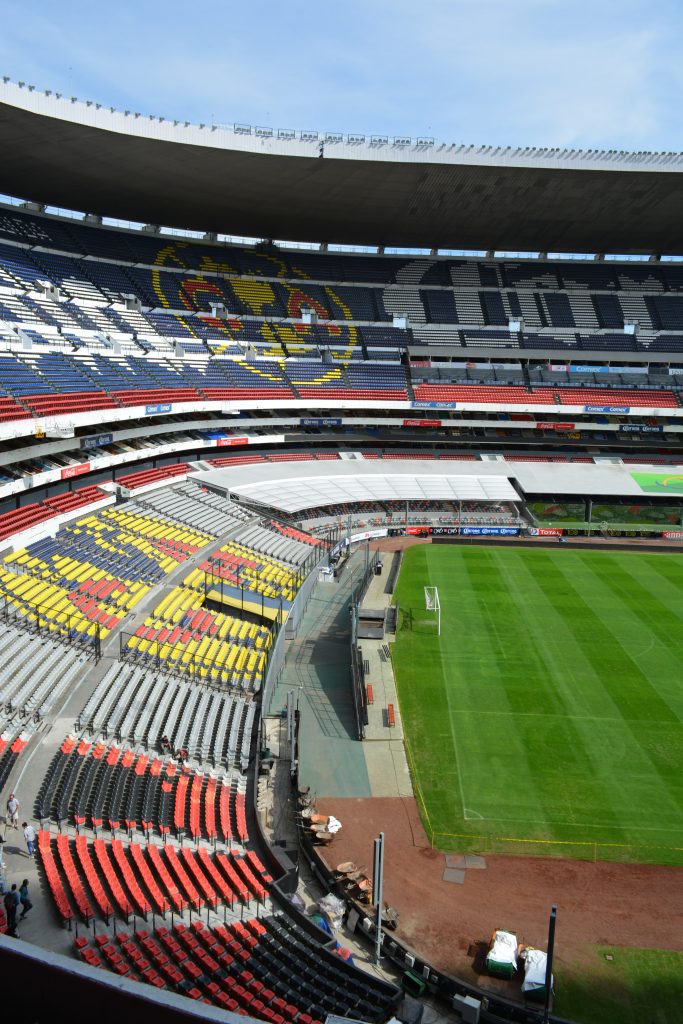
Azteca Stadium is located in the vibrant Mexico City, nestled within the borough of Coyoacán. Its street address is Calzada de Tlalpan 3465, in the Santa Úrsula Coapa area, postal code 04650, Mexico City, Mexico.
Its central location makes it easily accessible for both locals and tourists looking to experience a slice of football history. Surrounded by bustling neighborhoods, this iconic venue stands as a remarkable landmark that draws visitors from around the world.
Built at an altitude of 2,240 meters (7,350 feet), Azteca offers breathtaking views of its surroundings while adding to its unique atmosphere. The stadium’s impressive capacity allows it to host over 87,000 spectators—a sight to behold during high-stakes matches or thrilling concerts. It’s not just a sports arena; it’s a cultural epicenter that reflects Mexico’s rich heritage.

History and Significance of Azteca Stadium
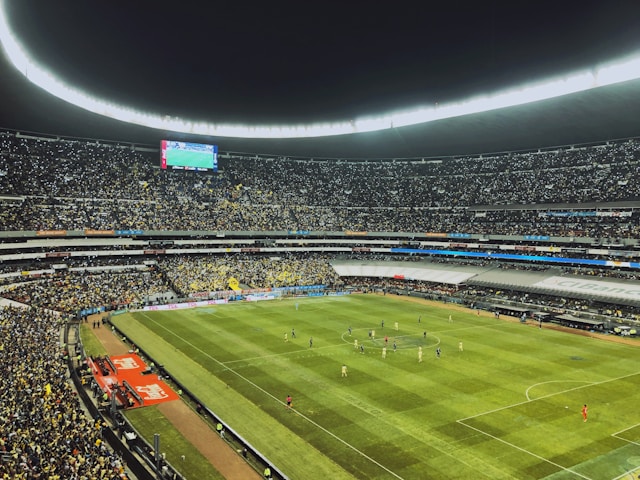
The idea for Estadio Azteca emerged in the late 1950s and early 1960s, when Mexico sought a world‑class football venue capable of hosting major international tournaments. Construction began in 1962 on land in the Santa Úrsula Coapa area of southern Mexico City, led by architects Pedro Ramírez Vázquez and Rafael Mijares, and the stadium officially opened on 29 May 1966 with a match between Club América and Torino.
Azteca hosted the 1970 and 1986 FIFA World Cups, becoming famous worldwide for matches such as the 1970 “Game of the Century” between Italy and West Germany and Diego Maradona’s “Hand of God” and “Goal of the Century” against England in 1986.
Previous Renovations and Upgrades
In its early decades, Azteca could host more than 100,000 spectators, largely due to standing terraces. Progressive safety regulations and modernization efforts led to conversions to all‑seater sections and reconfigured stands, reducing capacity to around 87,000 while improving comfort and evacuation routes.
Before the 1986 FIFA World Cup, the stadium received structural maintenance, pitch improvements, and updated media and broadcast facilities to meet tournament standards. These works helped Azteca handle large global audiences and cemented its reputation as a true “World Cup venue” after already hosting the 1970 edition.
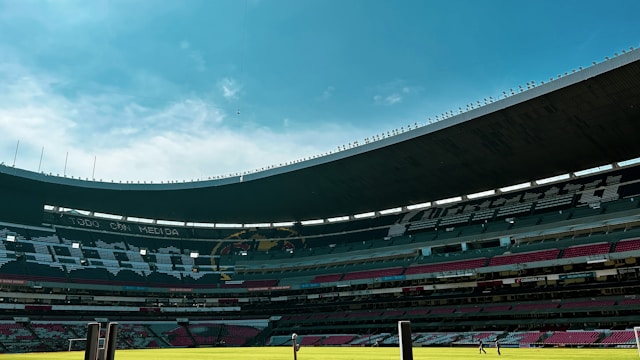
In the mid‑2010s, renovations focused on upgrading VIP boxes, hospitality areas, and press spaces, as well as adding more commercial and fan‑experience features. Exterior and interior refreshes, including improved seating, lighting, and signage, aimed to align the stadium with modern expectations for comfort and corporate events while keeping its traditional bowl shape.
In preparation for hosting matches at the 2026 World Cup, Azteca has been undergoing additional upgrades to concourses, access points, and spectator services. Plans include further modernization of dressing rooms, hospitality, technology, and surrounding infrastructure so the venue can meet current FIFA requirements as the first stadium to stage games at three World Cups.
Azteca Stadium in the World Cup 2026
Azteca Stadium in Mexico City is scheduled to host the opening match of the World Cup on 11 June 2026, with Mexico playing at home in that curtain‑raiser. Beyond the opener, the stadium is assigned multiple group‑stage fixtures and knockout‑round matches, reflecting FIFA’s view of Azteca as one of the premier venues of the competition.
The confirmed plan includes at least two group‑stage matches involving Mexico and other nations, plus additional group games between international teams at Azteca. The stadium is also slated to host a Round of 32 match and a Round of 16 tie, giving it a central role not just at the start of the World Cup but also in its elimination phases.
Dunn: Modern Stadium Roof Solutions
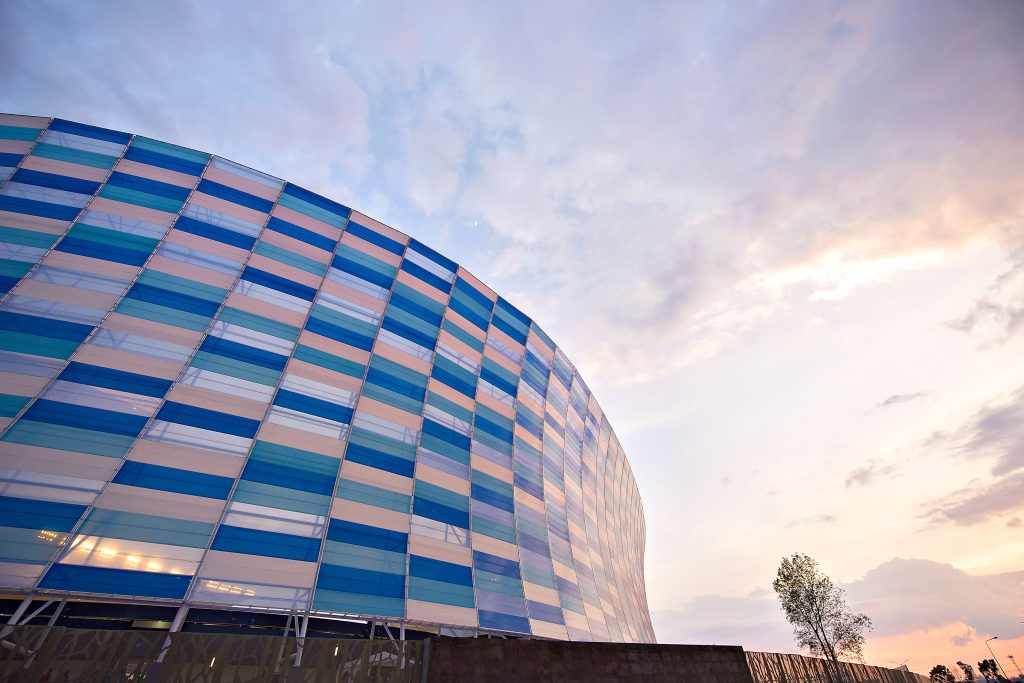
Dunn Lightweight Architecture delivers modern roof and facade solutions for stadiums using advanced tensile and fabric technologies. These systems are designed to be lightweight, durable, visually striking, and highly efficient, reducing structural weight and material consumption compared with conventional roofs.
Who we are
At Dunn, we specialize in lightweight tensile and fabric structures, working with ETFE, PTFE, PVC, and technical mesh across a wide range of architectural and stadium projects. With over a decade of global experience, our team combines engineering expertise, creativity, and a close client partnership to handle complex design and construction challenges.
What we offer
Dunn provides a turnkey service, covering conceptual design, structural and membrane engineering, fabrication of steel and fabric components, and complete installation on site. This integrated approach ensures technical coordination, schedule control, and consistent quality from the first sketch to project handover.

Materials and roof performance
Our stadium roof solutions use ETFE, PTFE, PVC, and high-performance mesh to achieve large clear spans, controlled light transmission, and distinctive architectural forms. These membranes are durable, weather-resistant, and adaptable to complex geometries, making them well-suited for modern grandstands, arenas, and multipurpose stadiums.
Sustainability focus
Dunn prioritizes sustainability by using lightweight systems that require fewer conventional materials, thereby helping lower CO2 emissions and overall environmental impact. The membranes employed are 100% recyclable, and projects are designed to be compatible with LEED and other green building certifications, contributing points toward environmental ratings.
Track record and references
Dunn has delivered large-scale textile architecture projects worldwide, including significant stadium and sports facilities such as Lusail Stadium and Cuahutemoc Stadium. Testimonials from major contractors and material suppliers highlight our technical capability, job safety, adherence to budgets and schedules, and responsible use of brands, patents, and copyrights.
FAQs | Azteca Stadium in Mexico
Do I need to buy tickets in advance, and where can I purchase them?
For big matches (Club América, Mexico national team, concerts, or World Cup‑related events), buying in advance through official ticketing platforms or club/organizer channels is strongly recommended because lower‑priced sections often sell out. For lower‑demand games, tickets are sometimes available at the stadium box office on the day, but availability, prices, and sections cannot be guaranteed.
Are there guided stadium tours, and what do they include?
Estadio Azteca usually offers guided tours on non‑match days that take visitors through the stands, pitch‑side zones, player tunnels, and media/press areas, highlighting the stadium’s World Cup history. Tour hours and routes can change during renovations or before large events, so checking current schedules and whether booking is required is important.
Is the Azteca Stadium accessible to people with disabilities?
The stadium offers designated accessible entrances, ramps, and areas reserved for wheelchair users and companions, though exact locations depend on the event and ticket category. Because demand for these sections can be high and some areas may be affected by renovation or event layouts, contacting the ticket provider or event organizer in advance is advisable to confirm availability and access routes.
 English
  Spanish
Pingback: ETFE Roof Solutions for Sports Architecture - Dunn
Pingback: PVC Roof Technology: Advancing Stadium Covers - Dunn